Best Practices for Safe, Healthy Learning Environments
Creating Safer Learning Environments Starts with the Right Cleaning Protocols
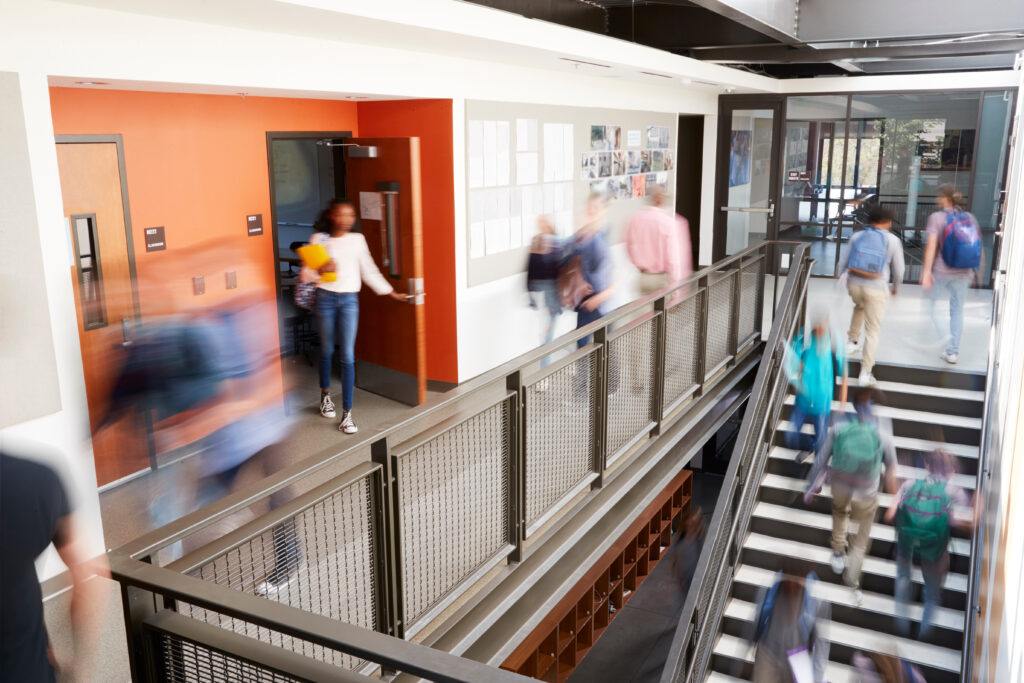
In schools and universities, cleanliness isn’t just about appearance—it directly impacts student health, attendance, and performance. With thousands of daily touchpoints across classrooms, cafeterias, restrooms, and dormitories, educational facilities require structured, consistent, and compliant cleaning protocols.
At Direct Clean Service Solutions, we believe that exceptional service culture drives exceptional outcomes—and nowhere is that more important than in environments where students learn and grow.
Why Cleaning Protocols Matter in Educational Facilities
Educational environments are high-traffic ecosystems where germs can spread quickly. Without proper protocols in place, facilities risk:
Increased absenteeism among students and staff
Higher transmission of viruses and bacteria
Non-compliance with health and safety regulations
Declining trust from parents and communities
A proactive, standardized cleaning approach ensures health, safety, and peace of mind.
Core Cleaning Protocols for Schools and Universities
1. High-Touch Surface Disinfection
Daily disinfection of frequently touched surfaces is critical, including:
Desks and chairs
Door handles and push plates
Light switches
Computer keyboards and shared equipment
Handrails and elevator buttons
Best Practice: Use EPA-approved disinfectants and follow proper dwell times for effectiveness.
2. Classroom Cleaning and Reset Procedures
Each classroom should be cleaned and reset daily to maintain a consistent learning environment.
Checklist includes:
Surface disinfection of desks and teaching stations
Trash removal and liner replacement
Floor cleaning (vacuuming or mopping)
Whiteboard and shared tool sanitation
3. Restroom Sanitization Standards
Restrooms are among the highest-risk areas for contamination.
Protocols should include:
Multiple cleanings per day based on usage
Disinfection of all fixtures and partitions
Replenishment of soap, paper towels, and supplies
Odor control and air quality monitoring
4. Cafeteria and Food Service Cleaning
Food service areas require strict adherence to sanitation standards.
Disinfect tables and seating between uses
Clean serving lines and food prep surfaces
Proper waste management and disposal
Floor degreasing and spill control
Compliance Note: Follow local health department and food safety regulations.
5. Dormitory and Residential Cleaning (Universities)
Campus housing introduces additional complexity.
Routine cleaning of shared bathrooms and lounges
Scheduled deep cleaning between occupancy cycles
Laundry facility sanitation
Waste and recycling management
6. Floor Care and Maintenance Programs
Floors endure constant wear and can harbor dirt and bacteria.
Daily vacuuming and dust mopping
Scheduled floor scrubbing and refinishing
Entry mat programs to reduce dirt infiltration
7. Air Quality and Ventilation Support
Clean air is just as important as clean surfaces.
Dusting and cleaning vents and returns
Supporting HVAC maintenance schedules
Reducing airborne contaminants
Compliance and Safety Standards
Educational facilities must align with key guidelines, including:
CDC cleaning and disinfection recommendations
OSHA safety standards
State and local health regulations
Having a professional janitorial partner ensures your facility stays audit-ready and compliant at all times.
The Role of a Professional Cleaning Partner
Not all cleaning services are built for educational environments. Schools and universities need partners who understand:
Scheduling around academic calendars
Day porter services for continuous cleaning
Emergency response capabilities
Staff training and accountability
At Direct Clean Service Solutions, we deliver Daily. Janitorial. Solutions. backed by a culture of ownership, consistency, and care.
Building a Culture of Clean
The most effective cleaning programs go beyond checklists—they build a culture.
Staff trained in best practices and accountability
Clear communication with facility managers
Continuous improvement through inspections and feedback
This is how we create environments that support learning, wellness, and trust.
Final Thoughts
Cleaning protocols for schools and universities are no longer optional—they are essential. By implementing structured, high-quality cleaning systems, educational institutions can protect their communities and elevate the learning experience.
Ready to elevate your facility’s cleaning standards?
Partner with Direct Clean Service Solutions and experience a higher standard of service.