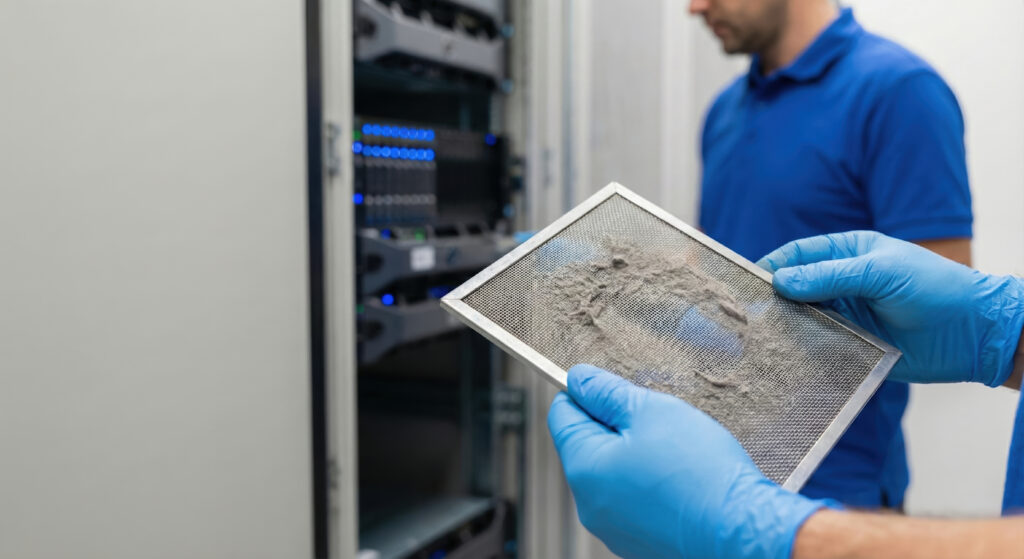
In a high tech critical clean environment, cleanliness isn’t just about appearance—it directly impacts performance.
Dust, airborne particles, residue, and inconsistent cleaning protocols can affect equipment reliability, interrupt workflows, and increase operational risk. Whether managing a data center, advanced manufacturing facility, research lab, or controlled production space, contamination control plays an essential role in protecting uptime and maintaining standards.
At Direct Clean Service Solutions, we help high tech facilities reduce contamination risks with structured cleaning programs designed for sensitive environments where precision matters every day.
Why Contamination Control Matters
In traditional commercial spaces, dust and debris are often a maintenance issue.
In a critical clean environment, contamination can create broader operational concerns, including:
- Airflow disruption around equipment
- Surface buildup on workstations
- Increased wear on sensitive systems
- Safety concerns in production areas
- Reduced operational efficiency
- More frequent maintenance interruptions
Even minor buildup can become a larger issue over time.
A consistent cleaning strategy helps maintain cleaner working conditions and supports smoother day-to-day operations.
Common Sources of Contamination
High tech facilities face contamination from several routine sources.
Airborne Dust and Particulates
Dust can enter through doors, shipping activity, HVAC circulation, foot traffic, or daily operations.
Without routine cleaning, particles may collect on:
- Equipment surfaces
- Floors and corners
- Air vents and returns
- Raised flooring systems
- Storage and packaging areas
Foot Traffic and Shared Workspaces
Employees, vendors, and deliveries naturally introduce debris into controlled spaces.
Entry points and frequently used areas often require added attention, including:
- Lobby and transition zones
- Hallways
- Break areas
- Shared workstations
- High-touch surfaces
Operational Debris
Manufacturing and technical workspaces can generate small amounts of residue, packaging material, dust, or debris during daily activity.
Routine cleaning helps prevent buildup before it becomes disruptive.
Best Practices for Contamination Control
1. Maintain a Consistent Cleaning Schedule
Critical environments benefit from predictable cleaning routines.
That may include:
Daily
- High-touch surface cleaning
- Floor care
- Trash removal
- Restroom sanitation
- Entry point maintenance
Weekly
- Detailed dust removal
- Equipment-adjacent cleaning
- Vent and return inspections
- Surface detailing
Monthly
- Deeper cleaning
- Hard-to-reach areas
- Floor refinishing or specialized maintenance
- Facility-wide review
Consistency matters more than reacting after buildup appears.
2. Focus on High-Traffic Areas
Contamination often starts where movement is highest.
Priority areas include:
- Entrances
- Corridors
- Loading access
- Shared work zones
- Restrooms
- Break spaces
Targeting these areas helps reduce spread into more sensitive environments.
3. Use Proper Cleaning Methods Around Sensitive Equipment
Critical clean facilities require teams trained to work carefully around operational equipment.
That includes:
- Following facility access procedures
- Using appropriate tools and materials
- Avoiding disruptions to active work areas
- Coordinating with operations staff
- Maintaining clean, organized workflows
A cleaning partner should protect the environment—not interfere with it.
4. Support Air Quality
Dust control is closely tied to air movement.
Routine cleaning helps reduce buildup around:
- HVAC returns
- Floor systems
- Mechanical spaces
- Ventilation access points
Cleaner airflow helps support both equipment and employee comfort.
5. Communicate with Facility Operations
The strongest cleaning programs work in coordination with facility teams.
That includes:
- Scheduling around operations
- Reporting concerns quickly
- Tracking service consistently
- Adjusting to production needs
- Staying proactive
A responsive cleaning partner helps reduce surprises and maintain accountability.
The Value of Preventive Contamination Control
A proactive approach helps facilities:
✔ Reduce buildup before it impacts operations
✔ Support equipment performance
✔ Maintain safer workspaces
✔ Improve consistency across departments
✔ Protect productivity and uptime
In high tech critical clean environments, small details matter.
Preventive cleaning helps protect the standards your team depends on every day.
Cleaning Built for High Tech Critical Clean Facilities
Direct Clean Service Solutions provides professional cleaning services tailored to controlled, sensitive, and mission-critical environments.
Our teams work with facility managers to create reliable cleaning programs that help reduce contamination, support daily operations, and maintain the level of care critical environments require.