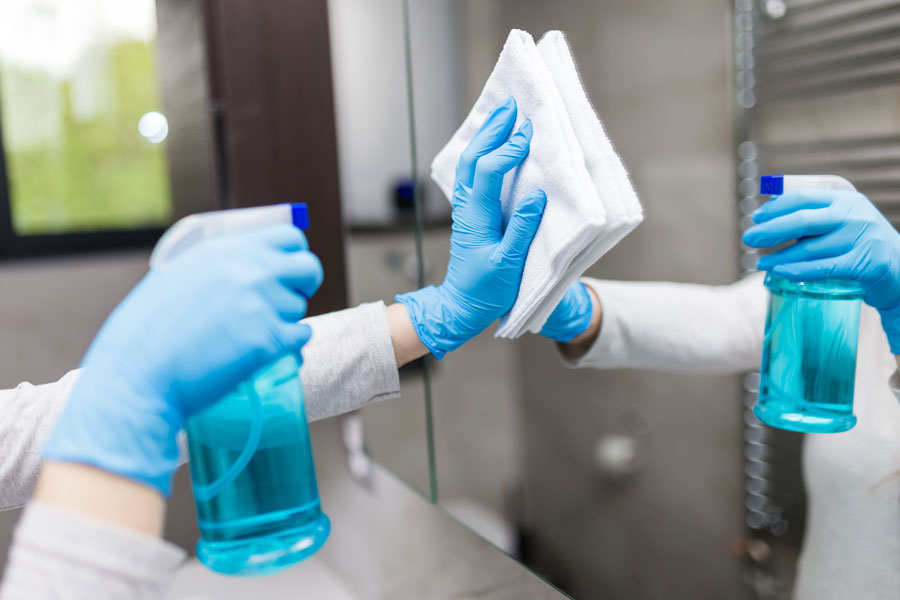
Healthcare environments demand a higher level of cleanliness than any other facility. From patient safety to regulatory compliance, proper cleaning protocols are not optional—they are essential.
In this guide, we break down the key medical facility cleaning standards, what they mean, and how your facility can stay compliant while maintaining a safe, healthy environment.
Why Medical Cleaning Standards Matter
Medical facilities—including hospitals, outpatient clinics, and surgical centers—are high-risk environments for infection transmission.
Without strict cleaning standards:
- Healthcare-associated infections (HAIs) can increase
- Patient outcomes can be compromised
- Facilities risk failing inspections and compliance audits
A professional cleaning program helps reduce risk, protect patients, and support staff performance.
Key Medical Cleaning Standards & Guidelines
1. CDC Guidelines
The Centers for Disease Control (CDC) provides detailed protocols for cleaning and disinfecting healthcare environments.
Key focus areas:
- High-touch surface disinfection
- Use of EPA-approved disinfectants
- Proper dwell times for chemicals
2. OSHA Compliance
The Occupational Safety and Health Administration (OSHA) regulates workplace safety, including exposure to biohazards.
Requirements include:
-
Proper handling of bloodborne pathogens
-
Use of personal protective equipment (PPE)
-
Safe chemical storage and labeling
3. EPA Disinfection Standards
The Environmental Protection Agency (EPA) approves disinfectants that are effective against viruses and bacteria.
Facilities must:
-
Use EPA-registered disinfectants
-
Follow manufacturer instructions
-
Maintain cleaning logs and documentation
4. AORN Standards (for Surgical Facilities)
The Association of periOperative Registered Nurses (AORN) sets strict cleaning protocols for surgical environments.
This includes:
-
Terminal cleaning procedures
-
Operating room turnover cleaning
-
Sterile environment maintenance
High-Touch Areas That Require Frequent Cleaning
Medical facilities must prioritize surfaces that are frequently touched, including:
-
Door handles and push plates
-
Bed rails and exam tables
-
Light switches
-
Medical equipment controls
-
Waiting room furniture
These areas should be disinfected multiple times per day depending on usage.
Daily vs. Terminal Cleaning
Daily Cleaning
Routine cleaning performed throughout the day:
-
Surface disinfection
-
Trash removal
-
Floor cleaning
Terminal Cleaning
Deep cleaning is performed after patient discharge or procedures:
-
Full disinfection of all surfaces
-
Equipment sanitization
-
Air quality considerations
Terminal cleaning is critical in preventing cross-contamination between patients.
The Role of Professional Medical Cleaning Services
Not all cleaning companies are equipped to handle healthcare environments.
A qualified provider should offer:
-
Trained staff in healthcare protocols
-
Proper PPE and safety procedures
-
Use of hospital-grade disinfectants
-
Detailed cleaning documentation
-
Compliance with CDC, OSHA, and EPA standards
How Direct Clean Supports Healthcare Facilities
At Direct Clean Service Solutions, we understand the complexity of medical environments.
Our teams are trained to:
-
Follow strict healthcare cleaning protocols
-
Use EPA-approved disinfectants
-
Maintain compliance with industry standards
-
Deliver consistent, high-quality results
We partner with healthcare facilities to create customized cleaning programs that prioritize safety, compliance, and patient care.