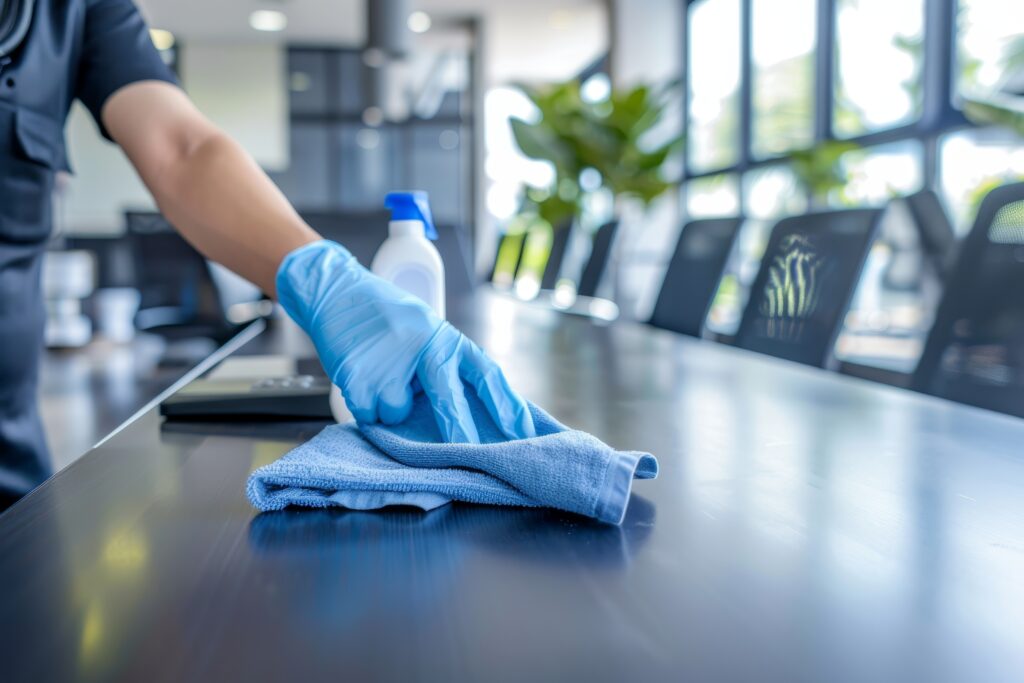
In healthcare environments, cleanliness is more than appearance—it’s a critical part of patient safety, infection prevention, and regulatory compliance. From hospitals and outpatient clinics to dental offices and urgent care centers, proper cleaning protocols help reduce healthcare-associated infections (HAIs), protect staff, and create trust with patients. Understanding and following CDC healthcare cleaning Guidelines for healthcare cleaning is essential for maintaining a safe and compliant facility.
At Direct Clean Service Solutions, we help medical facilities implement cleaning programs that align with industry best practices and exceed expectations.
Why CDC Healthcare Cleaning Guidelines Matter
The Centers for Disease Control and Prevention (CDC) provides evidence-based recommendations for environmental cleaning and disinfection in healthcare settings. These guidelines are designed to:
-
Reduce the spread of infectious diseases
-
Prevent cross-contamination between patients and staff
-
Improve patient outcomes
-
Support OSHA, Joint Commission, and state health compliance
-
Maintain a healthier and safer care environment
Proper cleaning is not optional—it is a frontline defense against infection.
High-Touch Surfaces Require Priority Attention
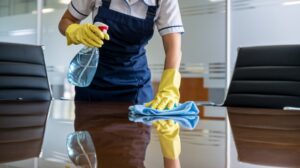
One of the CDC’s core recommendations is frequent cleaning and disinfecting of high-touch surfaces.
These include:
-
Door handles
-
Light switches
-
Bed rails
-
Waiting room chairs
-
Reception counters
-
Elevator buttons
-
Restroom fixtures
-
Medical equipment surfaces
-
Touchscreens and check-in kiosks
These areas should be cleaned multiple times daily depending on traffic and patient volume.
Neglecting these surfaces increases the risk of pathogen transmission.
Cleaning vs. Disinfecting: Know the Difference
Many facilities use these terms interchangeably, but they are not the same.
Cleaning
Cleaning removes dirt, debris, and organic material from surfaces using soap or detergent and water.
Disinfecting
Disinfecting uses EPA-approved chemicals to kill germs and pathogens after the surface has been cleaned.
The CDC recommends both steps—especially in patient care areas and high-risk environments.
Skipping proper cleaning before disinfecting reduces effectiveness.
Use EPA-Approved Disinfectants
Healthcare facilities should only use disinfectants that are approved for healthcare environments and effective against target pathogens.
Look for products registered with the United States Environmental Protection Agency (EPA) and ensure:
-
Correct dwell/contact time is followed
-
Staff are trained on safe application
-
Chemicals are compatible with surfaces and equipment
-
Safety Data Sheets (SDS) are accessible
Improper use of disinfectants can create compliance risks and reduce protection.
Staff Training Is Essential
Even the best products fail without proper execution.
CDC-aligned healthcare cleaning programs require:
-
Standardized cleaning procedures
-
Proper PPE usage
-
Cross-contamination prevention protocols
-
Color-coded cleaning systems when appropriate
-
Safe handling of biohazard materials
-
Ongoing quality control inspections
Cleaning teams should be trained specifically for healthcare environments—not treated like general office janitorial staff.
Medical cleaning requires a higher standard.
Patient Rooms and Clinical Areas Need Specialized Protocols
Exam rooms, surgical suites, treatment areas, and patient rooms require more than routine janitorial service.
Protocols should include:
-
Terminal cleaning after patient discharge
-
Immediate response to bloodborne pathogen exposure
-
Proper disposal of regulated medical waste
-
Frequent restroom sanitation
-
Air quality and odor management
-
Floor care that minimizes contamination risks
Each area should have a documented cleaning frequency and checklist.
Compliance Protects Reputation
Patients notice cleanliness.
Healthcare providers are judged not only by clinical outcomes, but by how safe and clean the environment feels.
Poor cleaning standards can lead to:
-
Negative patient reviews
-
Infection outbreaks
-
Failed inspections
-
Liability exposure
-
Staff dissatisfaction
-
Lost trust in your facility
A visible commitment to cleanliness strengthens confidence and protects your brand.
How Direct Clean Service Solutions Supports Medical Facilities
At Direct Clean Service Solutions, we provide healthcare cleaning services built around compliance, consistency, and patient safety.
We work with:
-
Medical offices
-
Outpatient centers
-
Surgical facilities
-
Dental practices
-
Urgent care centers
-
Rehabilitation facilities
-
Specialty treatment centers
Our teams are trained to deliver healthcare-specific cleaning protocols—not generic janitorial service.
Because healthcare environments demand more.
Final Thoughts
CDC healthcare cleaning guidelines are not just recommendations—they are the foundation of a safer patient experience.
Facilities that prioritize proper cleaning reduce risk, improve compliance, and create better outcomes for everyone who walks through the door.
If your medical facility is ready to improve cleaning standards, Direct Clean Service Solutions is ready to help.
For a broader look at compliance, sanitation protocols, and best practices across healthcare environments, read our original post, Medical Facilities Cleaning Standards Explained, where we break down the essential cleaning requirements every healthcare facility should follow to protect patients, staff, and operations.